

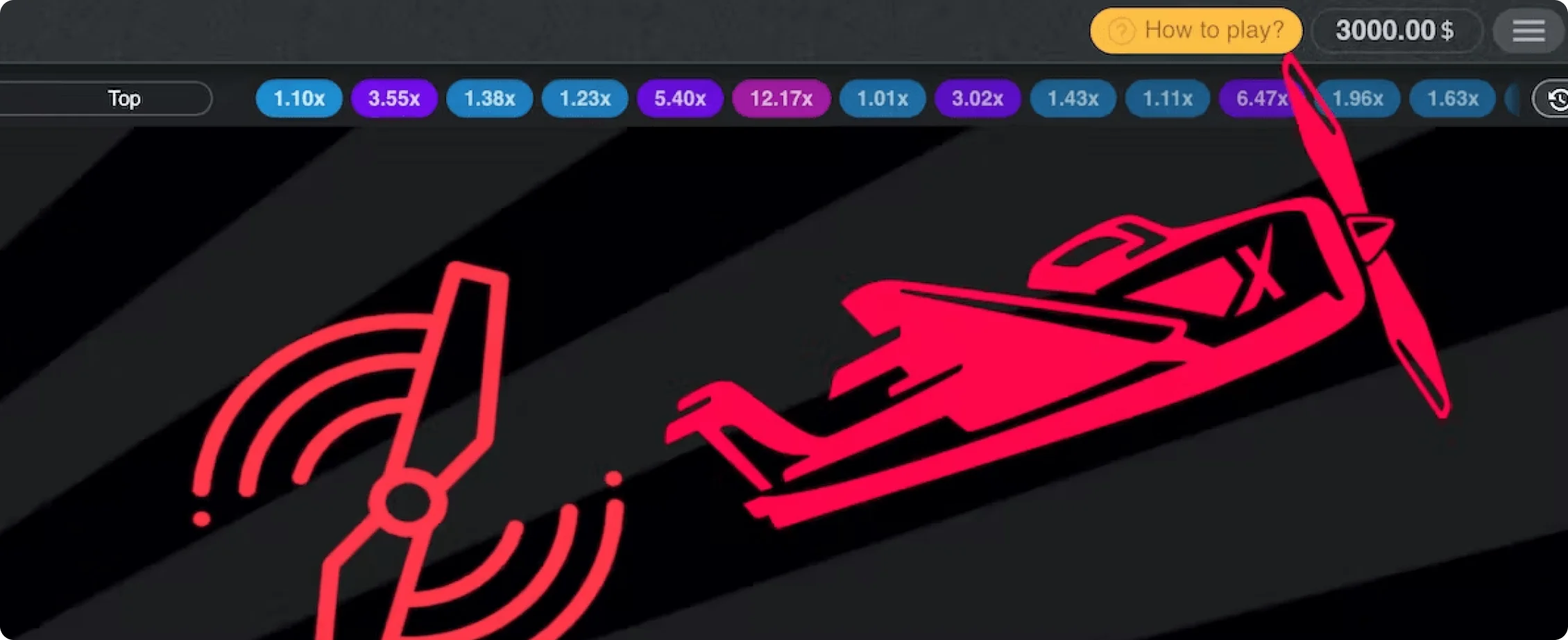
If you play Aviator, you realize the chat is where the action occurs. It’s where users exchange the thrill of a close win or groan over a crash. But that chat can also turn sour fast. For Canadian users, the language filter isn’t just an accessory. It’s a vital piece of safety gear. Let’s explore how Aviator Games employs its chat moderation to create a respectful space. We’ll explain how it functions and why it’s built the way it is for Canada.
Accountability and Brand Reputation
For aviatorgames Games, a robust language filter is an dedication in its own name and the trust players place in it. In Canada’s competitive online gaming market, a platform’s commitment to safety sets it apart. This tool delivers a clear message. It assures players and regulators that the company is committed about its social duties. It cultivates player loyalty by showing that their well-being matters as much as their entertainment. This responsible approach isn’t just good ethics. It’s strategic business in a market that values security.
The language filter in Aviator Games for Canadian players is a intricate, crucial piece of the framework. It combines automated tech with human judgment to maintain community rules and the law. It isn’t perfect, but it’s vital. It creates a safer space where the social part of the game can develop without putting players at risk. In the end, it demonstrates a clear understanding: a positive community is key to the game’s enduring success and its good name.
Member Reporting and Human Oversight
Because automated systems has gaps, Aviator Games introduces a player reporting button. If a inappropriate message gets past, or if a player is being disruptive, players can flag it. These reports are sent to human moderators. These people can review the context and use decision-making that an algorithm just lacks. This two-tier system—machine filtering plus human review—builds a much more effective safety net. It provides the community a role in maintaining order and ensures that complicated or recurring issues obtain the proper attention.
The Primary Objective of Chat Moderation
The key objective is simple: keep the community positive. A chat without moderation often becomes toxic. That drives players away and can even lead to legal trouble. The filter is the initial safeguard. It systematically scans for harmful content and blocks it before anyone else sees it. This preventive measure helps keep the game’s focus where it should be: on the excitement of play, not on dealing with harassment.
Adaptation for the Canadian-specific Context
A solid filter isn’t generic. The one in Aviator Games appears built for Canadian specifics. It likely watches for violations in either English and French, including local local slang or insults. It also needs to respect Canada’s multicultural society. Language that attacks ethnic or religious groups gets a hard ban. This local tuning is what exactly changes a simple tech tool into a real guardian of community standards for Canadian players.
Limitations of Automated Systems
Let’s be realistic: no automated filter is perfect. These systems can be clumsy. Sometimes they catch harmless words that just contain a flagged string of letters. On the other hand, clever users often find new ways to sneak bad content past the filters using creative phrasing or code words. The tech also cannot really understand sarcasm or tone. So, while the automatic filter catches most problems, it works best as part of a bigger team. That team incorporates player reports and actual human moderators for the tricky cases.
Adherence to Canadian Regulations
Managing a game in Canada means complying with Canadian law. The country has stringent rules about online harassment, hate speech, and protecting minors. Aviator Games’ language filter is a significant part of satisfying that duty of care. By preventing illegal content from disseminating, the platform reduces its own risk and demonstrates it takes Canadian law solemnly. This is a must-do. Federal and provincial rules for interactive services make compliance a core part of the design for the Canadian market.
Safeguarding Susceptible Players
A essential safety job is protecting minors or more susceptible players. The game itself is age-gated, but the chat is a possible weak spot. It could be used for grooming or to expose players to very harmful material. The filter’s strict settings seek to reduce this risk down as much as possible. This creates a needed shield. It lets social interaction happen while dramatically lowering the chance of real psychological harm. It’s a fundamental part of operating a ethical platform.
How the Automatic Filter Works
The system works by using a blend of banned word lists and smart context-checking. It checks every typed message in real time, checking it against a constantly updated database of banned terms and patterns. This includes clear profanity, but also hate speech, discrimination, and personal attacks. It’s clever enough to spot common tricks, like deliberate misspellings or using symbols instead of letters. When the filter flags something, the message usually gets blocked. The person who sent it might get a warning, too.
Impact on the User Experience
Certain players worry that chat filters limit free speech. In a regulated space like this, the effect is often the contrary. Clear boundaries can make communication feel freer and comfortable. Gamers understand they will not be hit with racial slurs or vicious abuse the moment they join the chat. That sense of security makes the social side more pleasant. It can assist in building a more solid, more amicable community within the game. The experience becomes focused on sharing the highs and lows of the game, instead of enduring a verbal battlefield.